In-Depth Interview with Markus Brozovic: From CS2 Pro to Gambling Ambassador
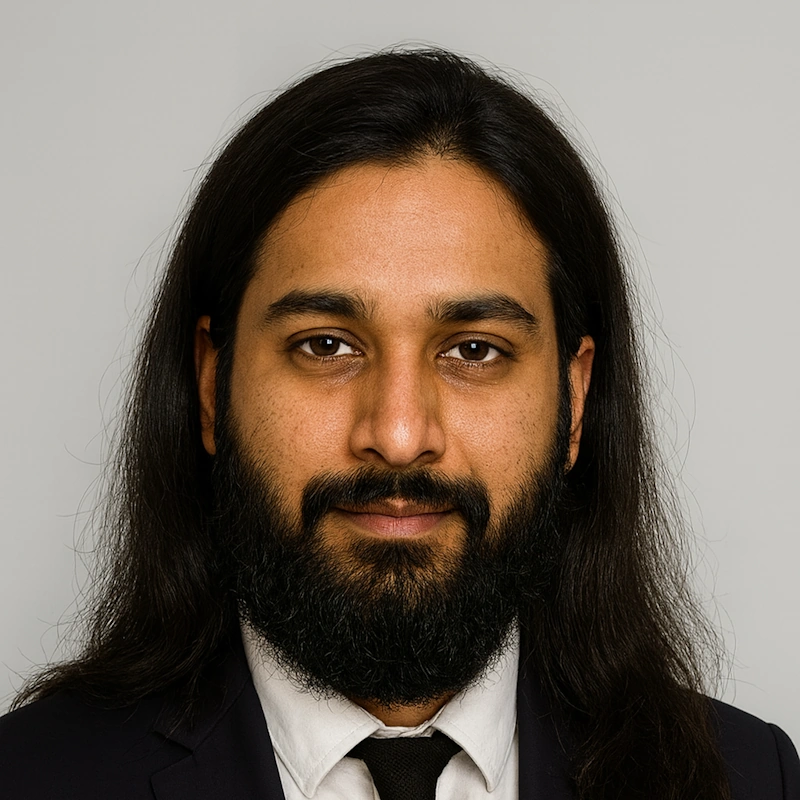
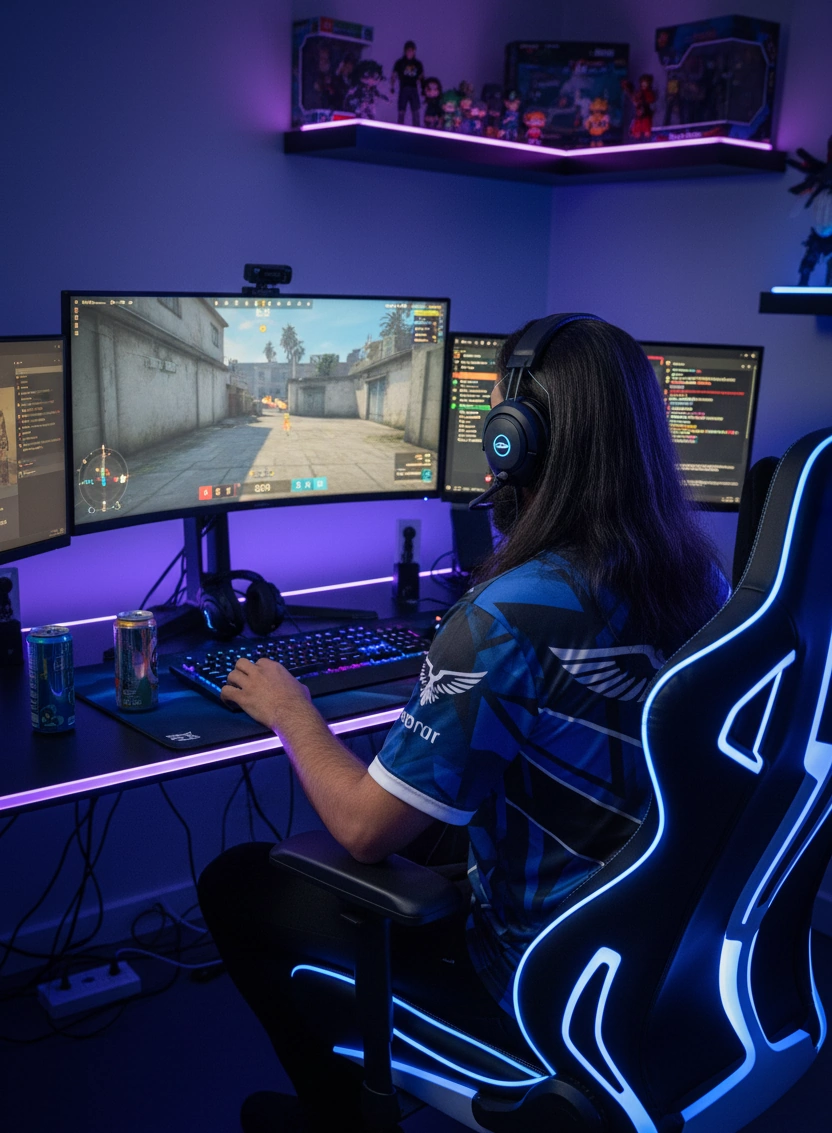
AI-generated image for illustration purposes
Key Takeaways
- Markus Brozovic shares his journey from competitive CS2 professional player to CS2 gambling ambassador
- Insights into the professional CS2 scene, team dynamics, and competitive gaming challenges
- The transition from professional gaming to the gambling industry and what it entails
- Perspectives on responsible gambling and the CS2 gambling ecosystem
- Advice for aspiring professional players and those interested in CS2 gambling
In this exclusive interview, Jonas Wöber sits down with former CS2 professional player Markus Brozovic to discuss his remarkable journey from competitive gaming to becoming a CS2 gambling ambassador. Markus shares candid insights about his professional career, the challenges he faced, and his transition into the gambling industry.
This comprehensive Q&A covers everything from his early days in competitive CS2 to his current role as an ambassador, providing readers with a unique perspective on both the professional gaming world and the CS2 gambling ecosystem.
CS2 Professional Career
Can you tell us about how you first got into competitive CS2? What drew you to the professional scene?
I started playing Counter-Strike when I was quite young, around 14 or 15 years old. What initially drew me in was the competitive nature of the game—the constant challenge to improve, the strategic depth, and the thrill of outplaying opponents. As I got better, I began playing in local tournaments and online leagues.
What really pushed me toward the professional scene was the realization that I could compete at a high level. I joined my first semi-professional team when I was 18, and from there, the progression felt natural. The professional CS2 scene offers something unique: the combination of individual skill, team coordination, and mental fortitude required to succeed at the highest level.
What were some of the biggest challenges you faced during your professional career?
There were several significant challenges. First, the mental aspect—dealing with pressure, especially during major tournaments. The expectations from fans, teammates, and yourself can be overwhelming. I also struggled with maintaining consistency. In professional CS2, you can't have off days; you need to perform at your peak consistently.
Another major challenge was balancing my personal life with the demanding schedule of a professional player. We'd practice for 8-10 hours a day, travel frequently for tournaments, and constantly analyze our gameplay. It's a lifestyle that requires complete dedication, and that can take a toll on relationships and personal well-being.
Finally, the financial uncertainty was always present. Unless you're on a top-tier team with significant sponsorships, the income can be inconsistent. This added stress to an already demanding career.
What were some of your career highlights? Any particular tournaments or moments that stand out?
One of my proudest moments was qualifying for my first major international tournament. The feeling of competing against the best players in the world on a big stage was incredible. Even though we didn't win, the experience was invaluable.
I also remember a particular match where we came back from a significant deficit to win against a much higher-ranked team. That match taught me a lot about mental resilience and never giving up, even when the odds seem stacked against you.
Another highlight was being part of a team that consistently performed well in regional competitions. We built something special together, and those team dynamics and friendships are something I'll always cherish.
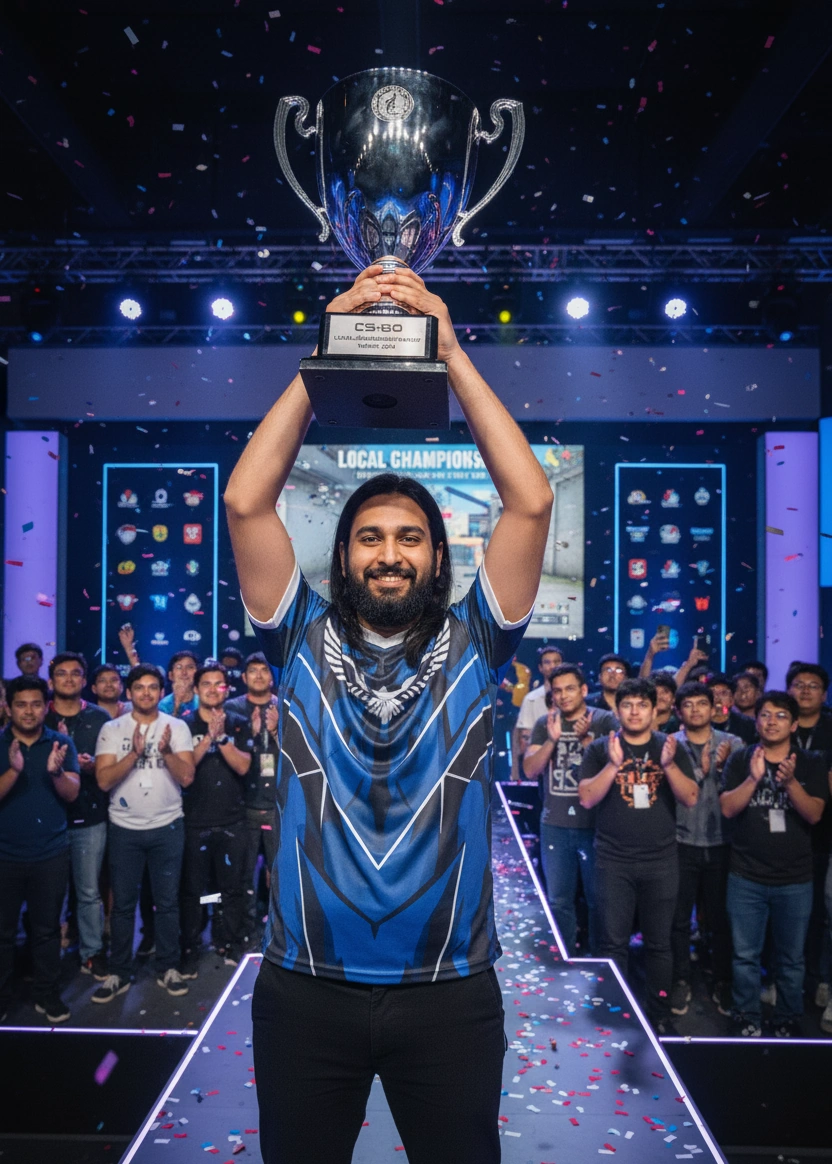
Markus Brozovic winning his first trophy
AI-generated image for illustration purposes
How did you approach training and improvement as a professional player?
Training was extremely structured. We'd start with individual practice—aim training, movement drills, and learning new utility usage. Then we'd move to team practice, where we'd work on strategies, executes, and team coordination. We'd also spend significant time reviewing demos, both our own and our opponents'.
What many people don't realize is that professional CS2 isn't just about raw aim. It's about game sense, positioning, communication, and understanding the meta. We'd constantly adapt our playstyle based on what was working in the current meta.
I also focused heavily on the mental aspect—staying calm under pressure, maintaining focus during long matches, and learning from losses without letting them affect my confidence.
What was the team dynamic like? How important is chemistry in professional CS2?
Team chemistry is absolutely crucial. You can have five incredibly skilled players, but if they don't work well together, communicate effectively, or trust each other, you won't succeed. I've been on teams with amazing individual talent that underperformed because of poor team dynamics.
The best teams I've been part of had strong leadership, clear roles, and mutual respect. Everyone knew their responsibilities, and we could have honest conversations about mistakes without it becoming personal. That kind of environment allows players to grow and improve together.
There's also the social aspect—spending so much time together, traveling, and dealing with the stress of competition. You need to genuinely like and respect your teammates, or the environment becomes toxic very quickly.
What made you decide to step away from professional play?
It was a combination of factors. After several years of competing at a high level, I started feeling burned out. The constant pressure, the travel, and the need to always be at your best was taking a toll. I also wanted to explore other opportunities and have more stability in my life.
There's also the reality that professional gaming careers are relatively short. Most players peak in their early to mid-20s, and I was reaching that point where I needed to think about my long-term future. I didn't want to be one of those players who hangs on too long and tarnishes their legacy.
I also saw an opportunity to transition into something related to gaming but with more stability—the gambling industry. It allowed me to stay connected to the CS2 community while building something new.
How did your experience as a professional player shape your understanding of the CS2 community?
Being a professional player gave me a deep understanding of the CS2 community from multiple angles. I saw the competitive side—the dedication, the skill, and the passion that players bring to the game. I also saw the business side—how organizations operate, how sponsorships work, and how the ecosystem functions.
I learned that the CS2 community is incredibly diverse. You have casual players, competitive players, content creators, and now, increasingly, people involved in the gambling side of things. Each group has different needs and perspectives.
This understanding has been invaluable in my current role. I can relate to competitive players because I've been there, and I understand what they value in platforms and experiences.
What skills from professional gaming have translated to your current work?
Many skills have been transferable. The analytical mindset I developed from reviewing demos and studying opponents translates directly to evaluating gambling platforms and understanding their mechanics. The ability to stay calm under pressure helps when dealing with complex situations or making important decisions.
Communication skills are huge—both from in-game communication and from working with teammates, sponsors, and organizations. I can now effectively communicate with platform operators, players, and other stakeholders.
Perhaps most importantly, the discipline and work ethic I developed as a professional player have been crucial. Whether it's maintaining consistency in my work, meeting deadlines, or building relationships, the same principles apply.
What advice would you give to aspiring professional CS2 players?
First, make sure you're doing it for the right reasons. Professional gaming is incredibly demanding, and if you're not passionate about it, you'll burn out quickly. You need to genuinely love the game and the competition.
Second, be realistic about the odds. The path to becoming a professional player is extremely difficult, and only a small percentage of players make it. Have a backup plan and don't put all your eggs in one basket.
Third, focus on improvement, not just results. Every loss is a learning opportunity. Watch your demos, study better players, and constantly work on your weaknesses. The players who make it are the ones who are always striving to improve.
Finally, take care of your mental and physical health. Professional gaming can be stressful and isolating. Make sure you have a support system, take breaks when needed, and maintain a healthy lifestyle outside of gaming.
How do you view the current state of professional CS2?
The professional CS2 scene is in an interesting place right now. The game has evolved significantly, and the level of competition is higher than ever. There's more money in the scene, better infrastructure, and more opportunities for players.
However, there are also challenges. The pressure on players is immense, and burnout is a real issue. There's also the challenge of maintaining viewership and engagement as the esports landscape becomes more crowded.
I think the future is bright, but players and organizations need to be more mindful of player well-being. The days of grinding 12 hours a day without breaks are hopefully behind us. There's a growing recognition that sustainable careers require balance.
Journey to CS2 Gambling Ambassador
What led you to become involved in the CS2 gambling industry?
After stepping away from professional play, I was looking for ways to stay connected to the CS2 community while building a more stable career. I had always been aware of the gambling side of CS2—many professional players engage with it, and it's a significant part of the ecosystem.
I was approached by a platform that was looking for someone with professional gaming experience to help them understand the player perspective and improve their offerings. The opportunity to bridge the gap between competitive players and gambling platforms was appealing.
I also saw it as a chance to advocate for responsible gambling practices. Having been in the competitive scene, I understand the risks and want to help ensure that players have access to safe, fair platforms.
What does your role as a CS2 gambling ambassador entail?
My role is multifaceted. I work with platforms to help them understand what players want and need. This includes everything from game features to user experience to safety measures. I provide feedback based on my experience as both a professional player and someone who understands the gambling ecosystem.
I also engage with the community—answering questions, providing insights, and helping players make informed decisions. I see myself as a bridge between the competitive CS2 community and the gambling industry.
Additionally, I advocate for responsible gambling. This is really important to me. I want players to have fun and enjoy CS2 gambling, but I also want them to do it safely and responsibly. I work with platforms to ensure they have proper safeguards and resources for players who need help.
How do you balance promoting CS2 gambling with advocating for responsible gambling?
It's a balance I take very seriously. I believe that CS2 gambling can be a fun and engaging part of the CS2 ecosystem when done responsibly. However, I'm always clear about the risks and never encourage excessive gambling or gambling beyond one's means.
In my role, I emphasize the importance of setting limits, understanding the odds, and treating gambling as entertainment, not as a way to make money. I'm transparent about the fact that the house always has an edge, and that gambling should never be seen as an investment or a reliable income source.
I also work with platforms to ensure they have proper responsible gambling tools—deposit limits, self-exclusion options, and resources for players who may be struggling. It's about promoting a healthy relationship with gambling, not just promoting gambling itself.
What do you look for in a CS2 gambling platform? What makes a platform trustworthy?
First and foremost, licensing and regulation. A trustworthy platform operates under proper gaming licenses and is subject to regulatory oversight. This provides a baseline of protection for players.
Second, provably fair systems. Players should be able to verify that games are fair and outcomes are random. Transparency is crucial.
Third, reputation and track record. I look at how long a platform has been operating, what the community says about it, and whether there have been any major issues or controversies.
Fourth, responsible gambling features. A good platform should have tools for players to set limits, take breaks, and get help if needed. They should also have clear terms and conditions and good customer support.
Finally, user experience. A platform should be easy to use, secure, and provide a good overall experience. If a platform feels sketchy or difficult to use, that's a red flag.
What changes have you seen in the CS2 gambling industry since you became involved?
The industry has matured significantly. There's more regulation, better platforms, and a greater focus on player safety. The days of completely unregulated, sketchy platforms are largely behind us, though there are still bad actors out there.
There's also been a shift toward more transparency. More platforms are implementing provably fair systems, being clearer about their terms, and providing better customer support.
The integration with the competitive scene has also evolved. Platforms are better at understanding what competitive players want, and there's more collaboration between the competitive and gambling sides of CS2.
However, there's still work to be done. Responsible gambling practices need to continue improving, and we need to ensure that players have access to accurate information about risks and best practices.
What's your vision for the future of CS2 gambling?
I envision a future where CS2 gambling is a well-regulated, safe, and enjoyable part of the CS2 ecosystem. I'd like to see continued improvements in responsible gambling practices, better player education, and more collaboration between platforms, players, and regulators.
I also hope to see more innovation in terms of game types and features, while maintaining a focus on fairness and player safety. The industry should continue evolving to meet player needs while prioritizing responsible gambling.
Ultimately, I want CS2 gambling to be something that enhances the CS2 experience for players who choose to engage with it, rather than something that causes harm or takes advantage of players. That's what I'm working toward in my role as an ambassador.
This interview has provided valuable insights into both the professional CS2 scene and the CS2 gambling ecosystem. Markus Brozovic's journey from professional player to gambling ambassador offers a unique perspective on how these two worlds intersect.
Whether you're interested in competitive CS2, CS2 gambling, or both, understanding the perspectives of those who have been deeply involved in these communities is invaluable. As Markus emphasized throughout our conversation, responsible engagement—whether in competitive play or gambling—is key to a positive experience.
At BestCSGamble.com, we're committed to providing accurate information and promoting responsible gambling practices. For more information about how we evaluate platform safety and promote responsible gambling, visit our methodology page.
Interested in exploring CS2 gambling platforms yourself? Check out our reviews of trusted sites like CSGOEmpire, Gamdom, and CSGO500. Before you start, make sure to read our CS2 casino safety guide and winning tips to stay safe and maximize your experience.